Besiktas
Местная жизнь вдоль Босфора
Оценки
Besiktas is the neighborhood that best embodies the spirit of everyday, real Istanbul. Located on the European shore of the Bosphorus between Kabatas and Ortakoy, this vibrant district is where university life, football passion, meyhane tradition, and waterfront proximity combine to create an atmosphere no other Istanbul neighborhood can replicate. There are no major tourist monuments here (with the notable exception of Dolmabahce Palace), but there's something far more valuable: the opportunity to experience how Istanbulites actually live.
The heart of Besiktas is its central square, dominated by the eagle statue of Besiktas JK football club (known as the Kara Kartal, the "Black Eagle"). On match days, this square transforms into a sea of black-and-white jerseys, chanting, and flags. The passion of Besiktas fans is legendary throughout Turkey, and attending a match at Vodafone Park — the modern Bosphorus-side stadium — is an experience far beyond sport: it's participating in a collective ritual of emotion and identity. The setting, with the Bosphorus gleaming behind the pitch, is unique in world football.
Dolmabahce Palace (Dolmabahce Sarayi) is Besiktas's great monument and one of Europe's most impressive palaces. Built 1843-1856 for Sultan Abdulmecid I to replace Topkapi as the imperial residence, its white marble facade stretches 600 meters along the Bosphorus. Inside houses the world's largest collection of Bohemian crystal chandeliers, including a 4.5-ton specimen in the ceremonial hall. Ataturk died here on November 10, 1938 — all palace clocks are stopped at 9:05, the time of his death. Guided tours cover the Selamlik and Harem separately; book tickets in advance as daily visitors are limited.
The Besiktas Fish Market is a complete sensory experience. Each morning, fishermen unload their Bosphorus and Black Sea catch: sea bass, bream, hamsi (Black Sea anchovies, sacred in Turkish cuisine), mussels, squid, and shrimp. Small surrounding restaurants serve freshly grilled fish for just a few euros — noisy, colorful, and deeply authentic.
Meyhane culture reaches one of its most genuine expressions in Besiktas. Side streets behind the main avenue are dotted with family-run meyhanes where groups share dozens of meze plates, drink raki, and converse for hours. The meyhane experience is fundamentally social: it's about sharing, talking, singing together, and celebrating togetherness.
Yildiz Park is a massive green space on the hill behind Besiktas, with paths through centuries-old trees, Ottoman pavilions, and partial Bosphorus views. Ciragan Palace, now the Kempinski Hotel, is a 19th-century jewel — its restaurant and bar are open to the public. The Naval Museum houses fascinating imperial Ottoman vessels, including the golden ceremonial caiques.
The walk along the Bosphorus from Besiktas to Ortakoy (about 20 minutes) offers spectacular strait and bridge views, particularly beautiful at sunset. Bebek, to the north, is an elegant residential neighborhood with waterfront terrace cafes. The tea gardens by the Besiktas ferry terminal are emblematic — Istanbulites sit in plastic chairs by the water drinking tulip-glass tea, watching ferries and fishermen.
Transport-wise, Besiktas is a major hub: ferries to Kadikoy and Uskudar, bus connections citywide, and a short walk to Kabatas for the T1 tram and Taksim funicular. Vogue Restaurant offers contemporary Turkish cuisine with Bosphorus views from its Akaretler rooftop. The Saturday morning market is one of the city's best for fresh produce.
The Akaretler streets, a 19th-century row house complex originally built to house Dolmabahce Palace officers, have been restored into an elegant district of fashion boutiques, chef-driven restaurants, terrace cafes, and boutique hotels. It's Besiktas's most "chic" area, offering high-end shopping and dining without Nisantasi's tourist feel or Istiklal's crowds.
Besiktas JK football is more than sport — it's a social institution embodying resistance, passion, and unconditional loyalty. The famous "Come to Besiktas" chant has become an international viral phenomenon, and the atmosphere at Vodafone Park during Superliga matches is electric. A derby against Galatasaray or Fenerbahce would be one of the most intense sporting experiences of your life.
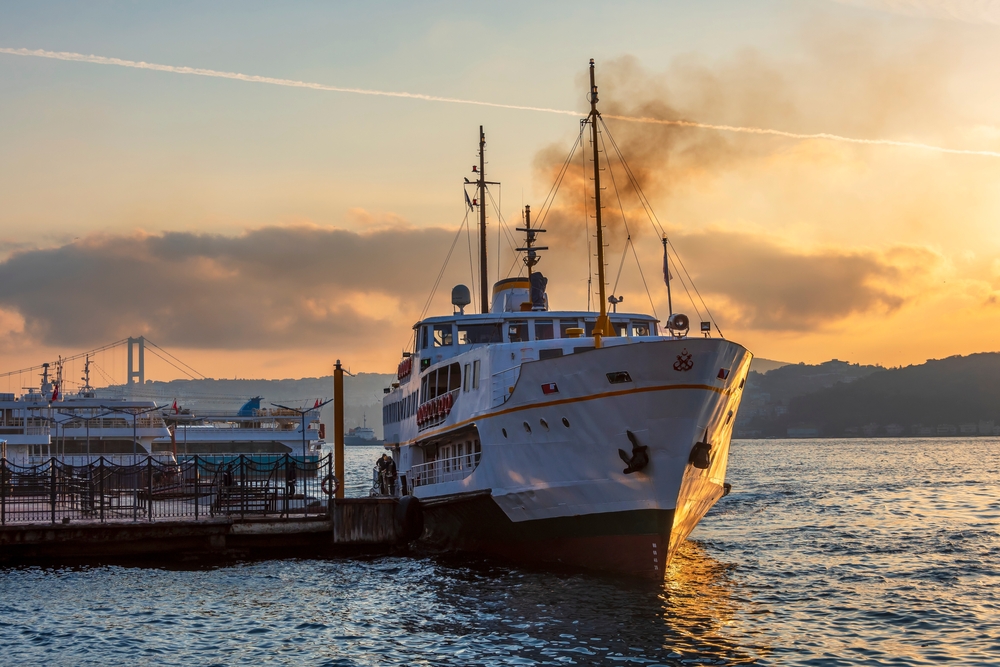
Maritime transport from Besiktas is an experience itself. Ferries to Kadikoy and Uskudar offer fifteen-to-twenty-minute crossings with views of Dolmabahce Palace, Galata Tower, the historic peninsula, and the Bosphorus stretching toward the Black Sea. At sunset, the ferry ride from Besiktas is among the most beautiful urban boat trips anywhere in the world.
The neighborhood also has active cultural life beyond monuments. The Akaretler Cultural Center hosts contemporary art exhibitions, and nearby Arnavutkoy — with pastel-painted Ottoman wooden houses hanging over Bosphorus water — is an essential excursion. Arnavutkoy's fish restaurants with direct water terraces offer the most romantic dining experience along this stretch of coast.
Besiktas is where Istanbul removes its mask and shows its most authentic face. Without Sultanahmet's tourist density or Beyoglu's somewhat artificial cosmopolitanism, Besiktas offers a real experience of Istanbul life: meyhanes where neighbors know each other by name, markets where vendors remember your preferences, and a relationship with the Bosphorus that's integral to the neighborhood's identity. For travelers seeking to understand Istanbul beyond its monuments, Besiktas is an exceptional choice.
For those seeking the Turkish hammam experience in a local, non-touristy setting, Besiktas offers several authentic options. The 16th-century Sinan Hammam still operates as a public bathhouse, offering the traditional full experience — soaping, kese exfoliation, foam massage — at prices significantly lower than Sultanahmet's tourist hammams. Bathing here surrounded by Istanbulites who come regularly as part of their weekly routine is literally immersing yourself in a five-hundred-year tradition.
The weekly fish market deserves an early morning visit. Arriving early when fishermen are unloading and vendors setting up stalls is witnessing a spectacle of color, sound, and aroma that defines Besiktas's maritime identity. Vendors shouting the day's offers, the silver gleam of anchovies on ice, the smell of sea mixed with lemon and parsley: it's a sensory symphony encapsulating the neighborhood's port soul.
The Ciragan Palace gardens, even if you're not staying at the Kempinski, are worth exploring. The palace's original 19th-century facade along the Bosphorus waterfront is one of Istanbul's most beautiful structures, and the public pathway along the water offers magnificent views. Sunday brunch at the palace's outdoor terrace, overlooking the Bosphorus with the Asian shore in the distance, is considered one of Istanbul's finest dining experiences — though prices match the exclusive setting.
The waterfront walk from Besiktas to Bebek, tracing the Bosphorus coast, is one of the most beautiful walks in any coastal city worldwide. Over approximately four kilometers, the pedestrian path follows the shore past Ciragan Palace, Ortakoy's mosque and bridge vista, Kurucesme's tea gardens, Arnavutkoy's wooden Ottoman houses (a neighborhood seemingly frozen in the 19th century), and finally elegant Bebek Bay with its waterfront cafes. The ninety-minute stroll at a leisurely pace encapsulates everything that makes the Bosphorus one of the planet's most spectacular urban landscapes.
The university presence shapes Besiktas's character in important ways. Thousands of students from nearby campuses flood the neighborhood daily, filling affordable restaurants, libraries, and cafes. This creates a youthful energy that keeps Besiktas from becoming the purely residential or tourist-oriented neighborhood it might otherwise be. Student-friendly prices ensure that eating, drinking, and socializing remain affordable even as gentrification pushes costs higher in other Istanbul neighborhoods.
For art lovers, the Akaretler Cultural Center and nearby galleries offer a more intimate alternative to the major museums. Exhibitions here tend to focus on emerging Turkish artists and experimental work, providing insight into the country's contemporary creative scene that the bigger institutions sometimes miss.
Besiktas's weekly fish market deserves a morning visit. Arriving early when fishermen unload and vendors set up is witnessing a spectacle of color, sound, and aroma that defines the neighborhood's maritime identity — vendors shouting the day's offers, the silver gleam of anchovies on ice, the scent of sea mingled with lemon and parsley. Small restaurants around the market serve freshly grilled fish for a few euros, making it one of the most authentic and affordable seafood experiences in all of Istanbul.
For those who want to experience Turkish hammam culture in a local, non-touristy setting, the 16th-century Sinan Hammam continues operating as a public bathhouse. The traditional soaping, kese exfoliation, and foam massage come at prices far below Sultanahmet's tourist hammams. Bathing here among Istanbulites who come weekly as routine captures a five-century-old tradition in its most genuine form.
The neighborhood's position between Kabatas and Ortakoy makes it a strategic base for exploring both the European historic center and the scenic Bosphorus coast. The ten-minute walk to Kabatas connects to both the T1 tram (for Sultanahmet) and the funicular (for Taksim), while buses and a pleasant waterfront walk reach Ortakoy in minutes. This combination of local authenticity and excellent transport makes Besiktas increasingly popular among experienced Istanbul visitors who have graduated beyond the Sultanahmet-Taksim axis.
Основные моменты
Где поесть
Что посмотреть
Как добраться
Отели в районе Besiktas
Найдите лучшие отели в Besiktas по лучшей гарантированной цене.
Отели в Besiktas